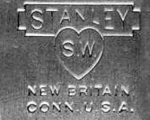
The study of historic maker’s marks is essential for accurately dating and identifying vintage woodworking tools. For anyone examining older Stanley pieces, the Stanley tool logo history provides a practical framework for distinguishing common post-war examples from earlier and more significant tools produced during the company’s most respected manufacturing periods.
Across the vintage tool market, logos and trademarks often serve as the most efficient starting point for evaluation. A plane may appear ordinary at first glance, yet the stamp on the iron, the form of the notched rectangle, or the presence of the Sweetheart emblem can immediately place it within a specific era. This article outlines the progression from the early "A" marks through the Sweetheart period and into the later modern variants that followed.
The Earliest Marks: The "A" Logo (1867–1872)
Before the famous notched rectangle became the face of the brand, Stanley tools had a very different look. If you’re lucky enough to find a truly ancient Bailey plane from the early days in Boston, you’ll see what collectors call the "A" logo. This isn't a rectangle at all; it’s a series of text stamps that often include "L. BAILEY'S PATENT" along with dates like "DEC. 24, 1867."
These early marks are quite small and were often stamped directly onto the top of the iron and the cap iron. They represent the dawn of the modern hand plane, back when Leonard Bailey was still perfecting the designs that would eventually make Stanley a household name. If you spot one of these, you aren't just looking at a tool…. you’re looking at a piece of industrial history!
The Birth of the Notched Rectangle (1905)
By the turn of the century, Stanley needed a consistent corporate image. In 1905, they introduced the notched rectangle: a horizontal box with "STANLEY" written inside and small notches taken out of the corners. This design is so classic that the company still uses variations of it today!
During this period (roughly 1905 to 1918), the logo on the cutter went through some "bizarre" phases as the company tried different layouts. You might see the "V-shaped" logo where the text is angled, or the four-line stamp that includes "RULE & LEVEL CO." and "NEW BRITAIN CONN." These are great for dating tools to that pre-WWI era when manufacturing was hitting its stride.
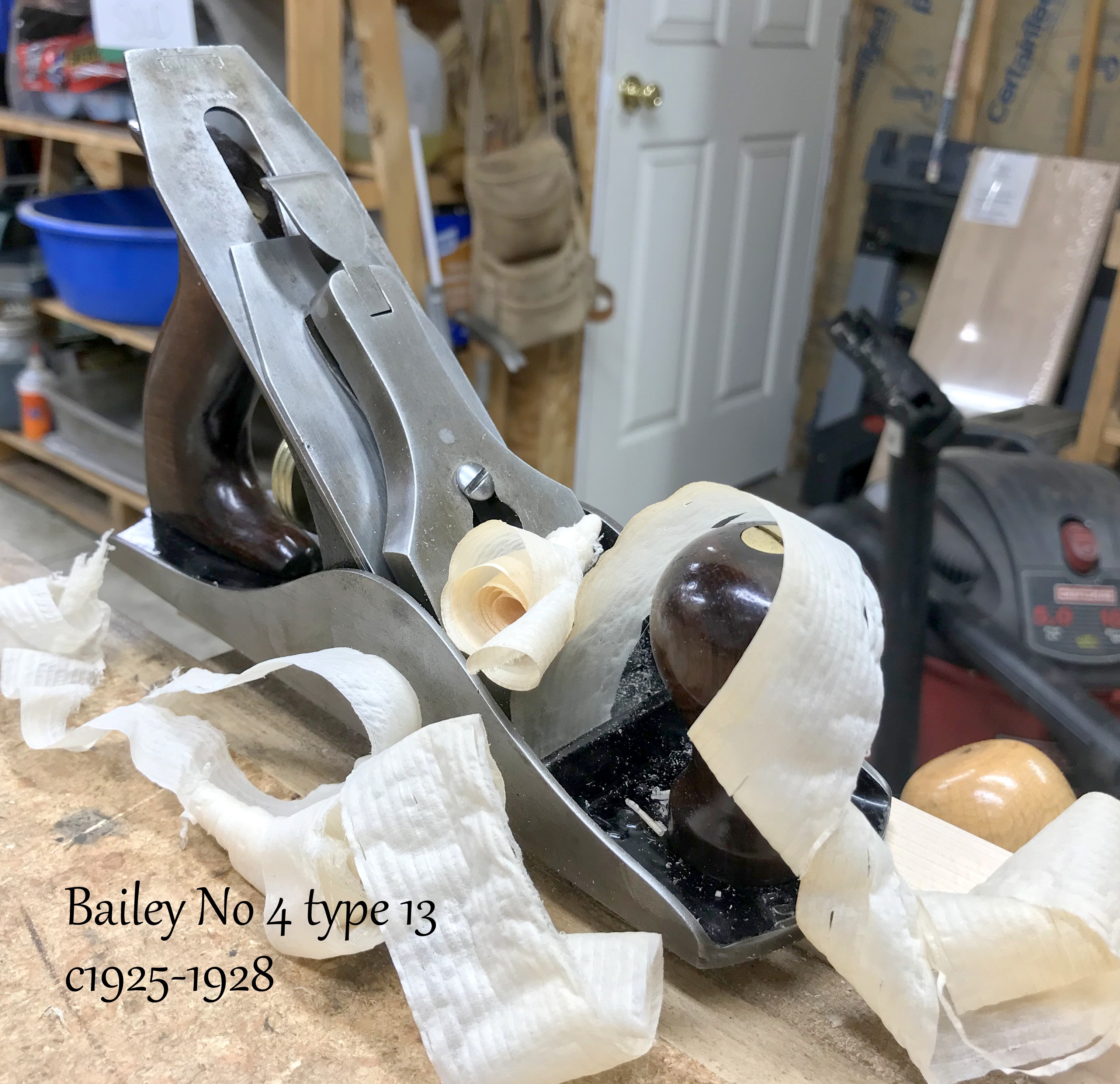
The "Sweetheart" Era: The Golden Age (1920–1935)
The Sweetheart period is among the most studied phases in Stanley’s production history. In 1920, Stanley Rule & Level Co. merged with The Stanley Works. To mark that transition, the company adopted a new logo that combined the familiar notched rectangle with a heart containing the initials "S.W." for Stanley Works.
The heart motif is widely understood to reference William H. Hart, a long-serving and influential figure within the company. Among collectors and historians, tools from the Sweetheart period are especially valued because they are associated with a high standard of manufacturing quality. The presence of this mark on a plane iron is therefore an important indicator when assessing both date and originality.
Decoding the Three Sweetheart Variants
The Sweetheart trademark itself was not static. Because the Stanley tool logo history is well documented, specialists generally divide this period into three distinct phases based on the wording that appears beneath the heart:
- The First Sweetheart (c. 1920): This one is easy to spot. Below the heart, it says "NEW BRITAIN, CONN. U.S.A." on two lines. This was the very first mark used after the merger.
- The Second Sweetheart (c. 1921–1922): The text changed to a single line: "MADE IN U.S.A." On this specific stamp, that line is actually longer than the width of the notched rectangle above it.
- The Third Sweetheart (c. 1923–1935): Still says "MADE IN U.S.A.", but now the line is slightly shorter than the rectangle. This is the most common Sweetheart mark and lasted until the heart was finally retired.
Post-Sweetheart and the Plain Rectangle (1935–Present)
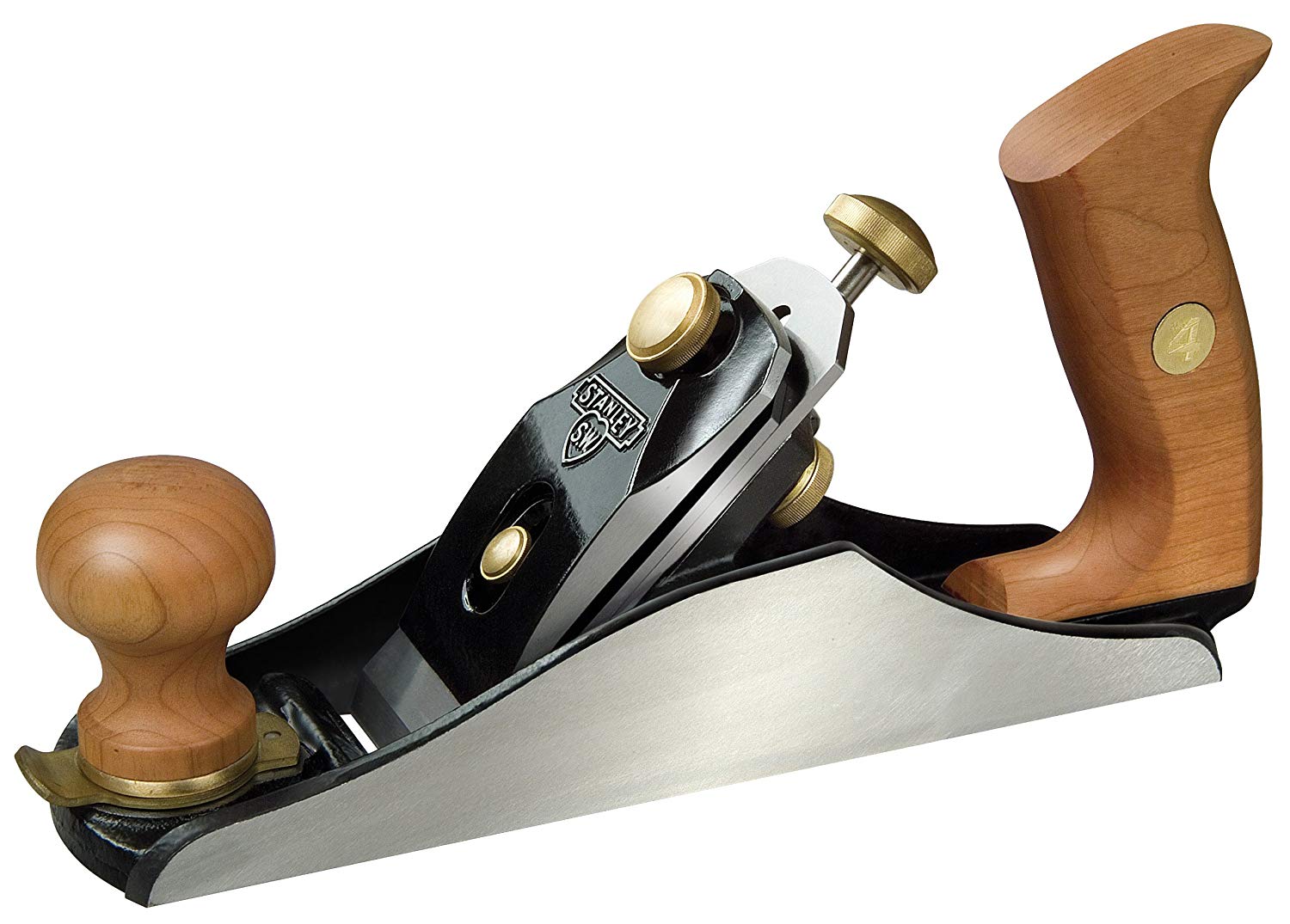
Around 1935, Stanley simplified its branding by discontinuing the heart and the "S.W." initials, returning instead to a plain notched rectangle with "STANLEY" inside. Although these later tools remain important to collectors, they do not occupy the same place in the market as examples from the Sweetheart period.
A plane marked only with the notched rectangle and "MADE IN U.S.A." on the iron is generally consistent with post-1935 production. By the 1960s and later, the stamps became progressively simpler, in some cases losing the notched form entirely or appearing as a basic painted logo on the tool body.
Why the Iron/Cutter Mark Matters Most
In antique tool research, the mark on the cutter is often regarded as the most reliable indicator for dating. Other details such as the frog, knob height, or patent dates cast into the bed can also be useful, but those components were frequently swapped or replaced over time. The iron therefore remains one of the most dependable reference points.
By comparing the trademark stamp on the iron to a documented timeline, it is often possible to narrow the manufacturing date to a relatively small range. Each variation in the logo reflects broader developments in corporate identity, manufacturing practice, and company history.
A Quick Timeline of Stanley Marks
- 1867–1872: Early "A" logos with Leonard Bailey's patents.
- 1872–1904: Various "Rule & Level Co." stamps.
- 1905: The Notched Rectangle makes its debut in catalogs.
- 1920–1921: The first Sweetheart logo appears (New Britain text).
- 1921–1935: The "MADE IN U.S.A." Sweetheart variants dominate the Golden Age.
- 1935–1960: The Plain Notched Rectangle returns, heart-free.
- 1962–Present: Simplified logos, often accompanying blue-painted castings.
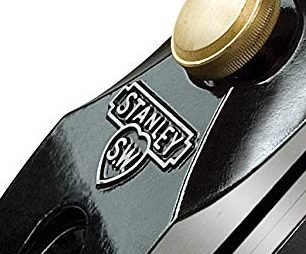
For collectors, dealers, and researchers alike, these small identifying details provide a practical method for evaluating vintage Stanley tools. Careful attention to marks and trademarks can clarify both chronology and originality, particularly when assessing tools assembled from mixed-period parts or examples with limited provenance.
Understanding the history and origins of your collectibles is more than just a hobby; it is about preserving a legacy. Whether you are holding a nineteenth-century hand plane or a delicate piece of Georgian jewelry, knowing exactly what you have is the first step in being a true steward of history. A patent chart is essentially a roadmap for collectors, and by matching the patent numbers stamped on your items to these specific charts, you can pinpoint the exact year and manufacturing 'type' of your find. It is the most reliable way to verify authenticity and ensure you are not just guessing about the age and value of your latest treasures.
If you are looking to add more history to your own collection, be sure to visit our ongoing auctions at Funky Junk Auctions. For those ready to dive deeper into their own research, you can bookmark our permanent patent charts page and visit us often to unlock the history of your finds. And for a truly comprehensive deep dive, don’t forget to check out our latest resource, Your Guide to Dating Antique and Vintage Collectibles, to sharpen your expert eye.
Team Funky
