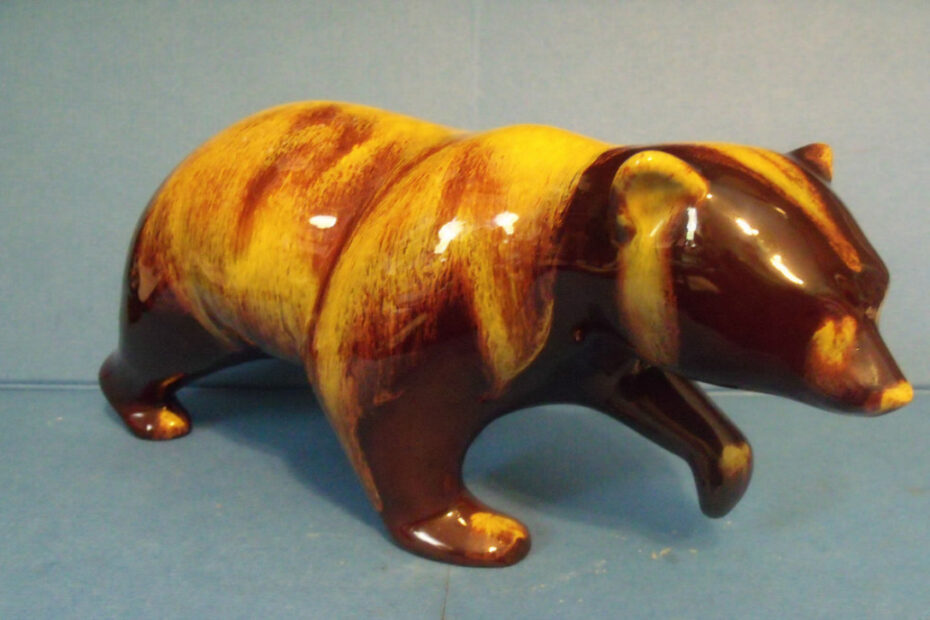
Hey there, collectors and treasure hunters! We are so excited to kick off a brand-new series here at Funky Junk Auctions. If you’ve ever spent time browsing our online auctions, you’ve definitely seen that iconic Blue-Green (or Teal) signature look, featuring vibrant blue and green tones that cascade over a darker, moody underglaze, that practically screams "Canada." We’re talking, of course, about Blue Mountain Pottery (BMP).
But did you know that this world-famous pottery didn’t start in a fancy factory? It actually started in the basement of a ski barn because the snow just wouldn’t fall! Grab a coffee, settle in, and let’s take a trip back to 1953 in Collingwood, Ontario….
A Ski Resort with a Problem
The story of Blue Mountain Pottery is really the story of Jozo Weider. Jozo was a Czechoslovakian immigrant who arrived in Canada with big dreams and even bigger energy. He founded the Blue Mountain Resort near Collingwood in 1941. Now, we all know Collingwood is the place to be for skiing today, but back in the early 50s, it was a risky business.
There was no such thing as high-tech snowmaking back then. If the clouds didn't cooperate, the resort didn't make money. By 1953, things were looking a bit thin on the financial side. Jozo needed a way to keep his staff employed and the lights on during those long, brown winters when the "white gold" stayed in the sky.
The "Aha!" Moment in the Mud
The legend goes that while Jozo’s crew was bulldozing new ski trails on the side of the mountain, they kept getting stuck in thick, heavy, red clay. Most people would just call that a muddy mess, but one of Jozo’s employees saw something else.
Enter Dennis Tupy. Dennis was a refugee from Soviet-controlled Czechoslovakia who was working as a dishwasher at the resort at the time. But back home, Dennis wasn't a dishwasher: he was a classically trained mould maker from a prestigious ceramics institute. When he saw that red clay coming off the bulldozer blades, he told Jozo it looked exactly like the clay they used for fine pottery in Europe.
Jozo, being the ultimate entrepreneur, didn't hesitate. He saw a way to save his resort. He told Dennis to stop washing dishes and start making pots!
The Dream Team: Weider, Tupy, and Hambalek
To get a pottery studio off the ground, you need more than just clay. You need a vision, a mould, and a finish. Jozo Weider provided the business grit, Dennis Tupy provided the shapes, and soon they were joined by Mirek Hambalek, a skilled glazer who knew how to make pieces pop.
They set up their first "factory" in the basement of the Ski Barn right there at the resort. It was humble, it was cramped, and it was probably a little bit damp, but they started churning out AMAZING hand-painted pieces. These early items weren't the mass-produced factory stuff you see everywhere today; they were experimental, artistic, and deeply tied to the land they came from.
Inspired by the Mountain
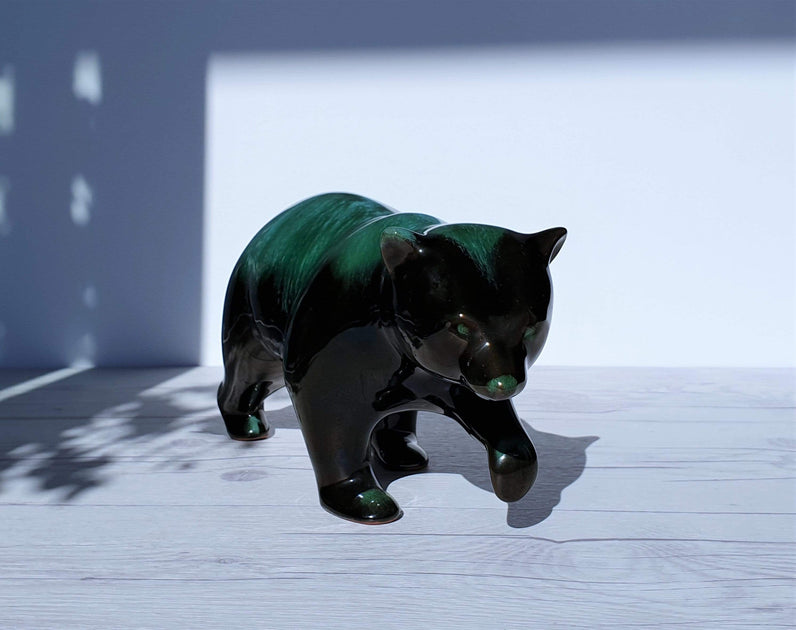
Have you ever looked at the Blue Mountains in the summer? When the sun hits the trees and the shadows fall into the valleys, you see these deep, rich greens and cool, dark blues. That was the inspiration for the signature Blue-Green (or Teal) "flow glaze" look, featuring vibrant blue and green tones that cascade over a darker, moody underglaze, that makes blue mountain pottery so recognizable.
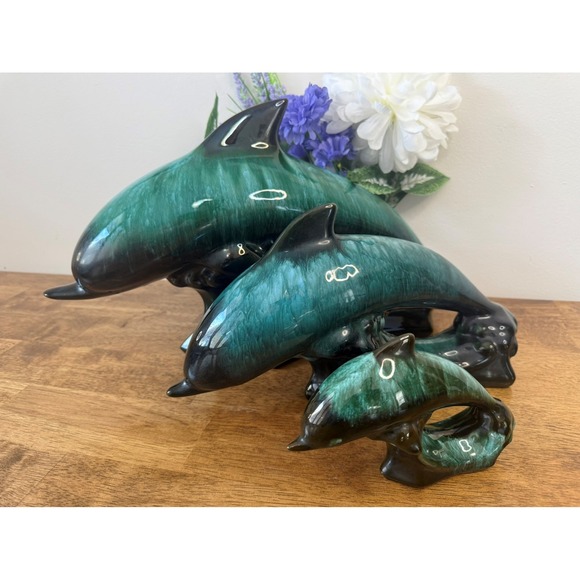
Jozo wanted pieces that tourists could take home as a souvenir of their time on the mountain. He wanted them to look like the landscape. By using a "reflowing" glaze technique where two different colors would run and mix in the kiln, they ensured that no two pieces were ever exactly alike. It was like catching a little bit of the mountain’s spirit in a vase or a stylized animal figurine.
From the Ski Barn to the World
What started as a side hustle to save a ski hill quickly became a sensation. People weren't just buying them as souvenirs; they were collecting them because they were beautiful, modern, and uniquely Canadian.
Soon, the operation outgrew the basement. They moved to a building in Craigleith on Highway 26 and eventually to a massive factory in Collingwood that would become one of the largest in the country. But those early years: the years of "The Ski Hill Start": are what collectors in our antique auctions really hunt for.
When you find an early piece with that thick, rich glaze and the characteristic red clay base, you’re holding a piece of Ontario history. You’re holding the grit and determination of immigrants who turned Canadian mud into world-class art.
Why We Love BMP at Funky Junk Auctions
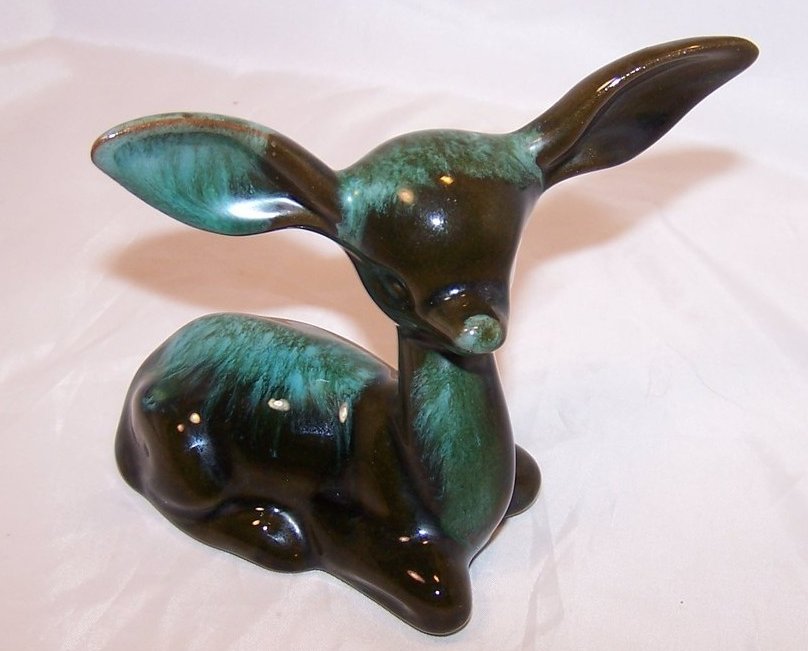
We see a LOT of pottery come through our doors, but there is something special about BMP. It has a soul to it. Whether it's a sleek mid-century vase or one of those adorable stylized animals, it always finds a home.
What’s Next?
This is just the beginning of our deep dive! In Part 2, we’re going to get nerdy and talk about the "Secrets of the Drip." We’ll look at how they actually got that glaze to move and why the "flow" is what makes it so valuable today.
Spring is coming….honest! So while we wait for the real green to show up outside, why not add some permanent green to your collection? Keep an eye on our upcoming listings for your chance to snag a piece of the Collingwood legend.
Happy bidding!
Team Funky
